If You See a Blue Stop Sign, Here’s What It Really Means
Most drivers are familiar with the traditional red stop sign. It is one of the most recognizable traffic signs in the world and plays a critical role in road safety. However, from ...

editor
Published on September 22, 2026

Most drivers are familiar with the traditional red stop sign. It is one of the most recognizable traffic signs in the world and plays a critical role in road safety. However, from time to time, people come across a blue stop sign and immediately wonder whether it carries a different meaning. Photos of these unusual signs often go viral online, sparking debates and confusion among motorists. While they may look unusual, blue stop signs are not necessarily a mistake. Their purpose depends largely on where they are installed and who manages the road or property.
Chapter 1: Why Are Most Stop Signs Red?
The red stop sign has become the international standard because red is highly visible and universally associated with warnings, danger, and the need to stop. Traffic authorities around the world use standardized colors and shapes to help drivers quickly recognize instructions, even from a distance.
In most countries, official stop signs must follow strict government regulations regarding color, shape, size, and placement. The familiar red octagon is designed to stand out in various weather conditions and lighting environments.
Because drivers are trained to recognize red stop signs, any variation from the standard immediately attracts attention. This is why blue stop signs often cause confusion when people first encounter them.
Official public roads generally require signs that conform to transportation regulations. As a result, drivers should not expect to see blue stop signs replacing standard red ones on major highways or city streets.
Chapter 2: What Does a Blue Stop Sign Mean? In many cases, a blue stop sign is found on private property rather than public roads. Residential communities, industrial facilities, universities, parks, and private developments sometimes install customized signs to direct traffic within their property boundaries.
Although the word “STOP” remains clear, these signs may not carry the same legal authority as official government-issued traffic control devices. Instead, they often function as instructions established by the property owner to promote safety and manage vehicle movement.
Some blue stop signs are used near pedestrian crossings, bicycle paths, recreational areas, or private access roads. Their purpose is generally straightforward: drivers should stop and proceed only when it is safe to do so.
The blue color may also be chosen to distinguish private traffic management systems from official roadway signage. In some locations, the unusual color helps drivers recognize that they are entering a controlled private area rather than a public road network.
If You See a Blue Stop Sign, Here’s What It Really Means
By editor • Published in Healthy
Ingredients5 items
- 2 cups fresh leafy greens (baby spinach, kale, or wild arugula)
- 1/2 cup antioxidant-rich mixed berries
- 1 tbsp cold-pressed extra virgin olive oil or flaxseed oil
- 1/4 cup raw walnuts, almonds, or pumpkin seeds
- 1 squeeze fresh organic lemon juice
Step-by-Step Instructions
- 1
Hydrate and Cleanse
Begin with a glass of pure filtered water to activate metabolism and prepare the digestive tract.
- 2
Assemble Nutrient-Dense Whole Foods
Combine crisp greens, healthy fats, and vibrant antioxidants to create a balanced, nourishing plate.
- 3
Incorporate Daily Consistency
Practice this routine daily for optimal sustained energy, cellular vitality, and balanced well-being.
You Might Also Like
 Healthy
Velvety Roasted Butternut Squash Soup with Crispy Sage and Nutmeg
A silky, warming autumn soup made from caramelized roasted butternut squash, sweet coconut cream, warm nutmeg, and frizzled sage leaves.

 Healthy
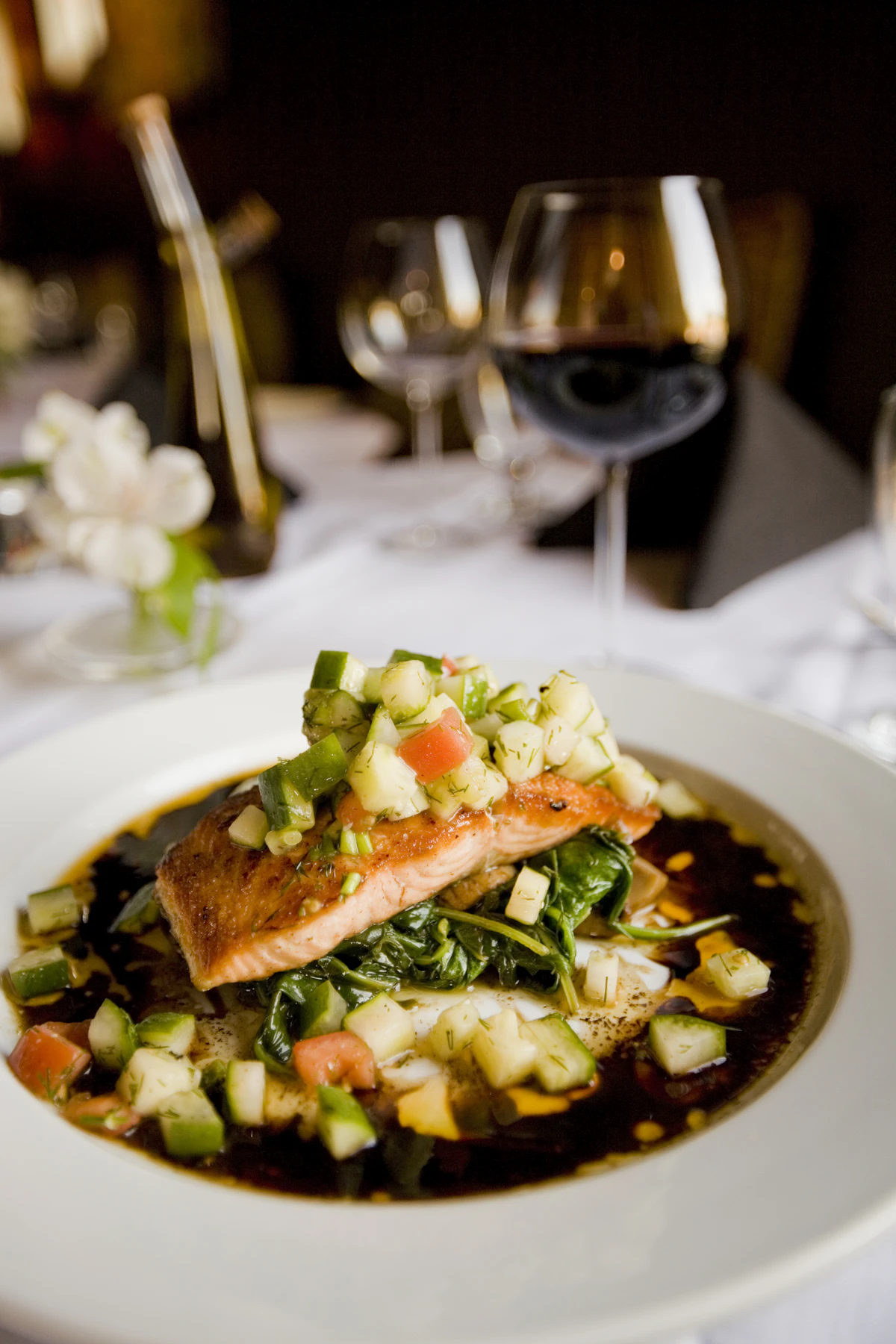
Mediterranean Lemon Herb Grilled Salmon with Homemade Tzatziki
Tender, flaky grilled wild salmon fillets seasoned with oregano, garlic, and lemon, served with a cool cucumber dill tzatziki.
 Healthy
Pan-Seared Wild Salmon with Garlic Dill Butter & Asparagus
Sustainably caught salmon fillets with crackling crispy skin, basted in brown butter, garlic, capers, and garden-fresh dill.
