If you see one leg swollen, it is a sign of…
What Does Swelling in One Leg Mean?...

editor
Published on October 28, 2026

What Does Swelling in One Leg Mean?
Swelling in one leg is a symptom that should not always be ignored. There are many possible reasons why one leg may become larger, swollen, or uncomfortable compared with the other. Sometimes the cause is simple, such as an injury, muscle strain, insect bite, or standing for a long period of time. However, sudden swelling in only one leg can occasionally be a sign of a more serious problem involving the veins and blood circulation.
One important condition associated with one-sided leg swelling is deep vein thrombosis (DVT). This occurs when a blood clot forms in a deep vein, usually in the leg. A person with DVT may experience swelling, pain or tenderness, warmth, redness, or a feeling of heaviness in the affected leg. The swelling may develop suddenly or gradually. However, these symptoms are not specific to DVT, and only a medical professional can determine the actual cause.
There are also several other possible explanations. An injury to the leg can cause inflammation and fluid accumulation around the affected area. An infection may produce swelling along with redness, warmth, pain, or fever. Problems with the veins, such as poor circulation or venous insufficiency, can also lead to swelling. In some situations, lymphatic problems can cause persistent swelling in one limb.
include prolonged immobility, long-distance travel, recent surgery, being confined to bed for an extended period, and some other medical or hormonal factors. This does not mean that everyone with swollen legs has a clot, but it is important to consider the possibility when swelling appears suddenly without an obvious explanation.
A particularly important warning is when leg swelling is accompanied by chest pain, sudden shortness of breath, rapid breathing, coughing up blood, dizziness, or fainting. These symptoms can occur when a blood clot travels to the lungs, causing a pulmonary embolism, which is a medical emergency. Anyone experiencing these symptoms should seek emergency medical care immediately.
It is also important not to rely on pictures or social-media posts to diagnose a medical condition. The appearance of a swollen leg can be similar in several different conditions. A healthcare professional may examine the leg and, if necessary, use tests such as an ultrasound to determine whether a blood clot or another problem is present.
In conclusion, swelling in one leg can have many causes, and it does not automatically mean that a person has a blood clot. Nevertheless, sudden or unexplained swelling—especially when accompanied by pain, warmth, redness, or tenderness—deserves medical attention. Recognizing unusual changes in the body and getting appropriate medical advice can help identify serious problems early and ensure the right treatment.
If you see one leg swollen, it is a sign of…
By editor • Published in Healthy
Ingredients5 items
- 2 cups fresh leafy greens (baby spinach, kale, or wild arugula)
- 1/2 cup antioxidant-rich mixed berries
- 1 tbsp cold-pressed extra virgin olive oil or flaxseed oil
- 1/4 cup raw walnuts, almonds, or pumpkin seeds
- 1 squeeze fresh organic lemon juice
Step-by-Step Instructions
- 1
Hydrate and Cleanse
Begin with a glass of pure filtered water to activate metabolism and prepare the digestive tract.
- 2
Assemble Nutrient-Dense Whole Foods
Combine crisp greens, healthy fats, and vibrant antioxidants to create a balanced, nourishing plate.
- 3
Incorporate Daily Consistency
Practice this routine daily for optimal sustained energy, cellular vitality, and balanced well-being.
You Might Also Like
 Healthy
Velvety Roasted Butternut Squash Soup with Crispy Sage and Nutmeg
A silky, warming autumn soup made from caramelized roasted butternut squash, sweet coconut cream, warm nutmeg, and frizzled sage leaves.

 Healthy
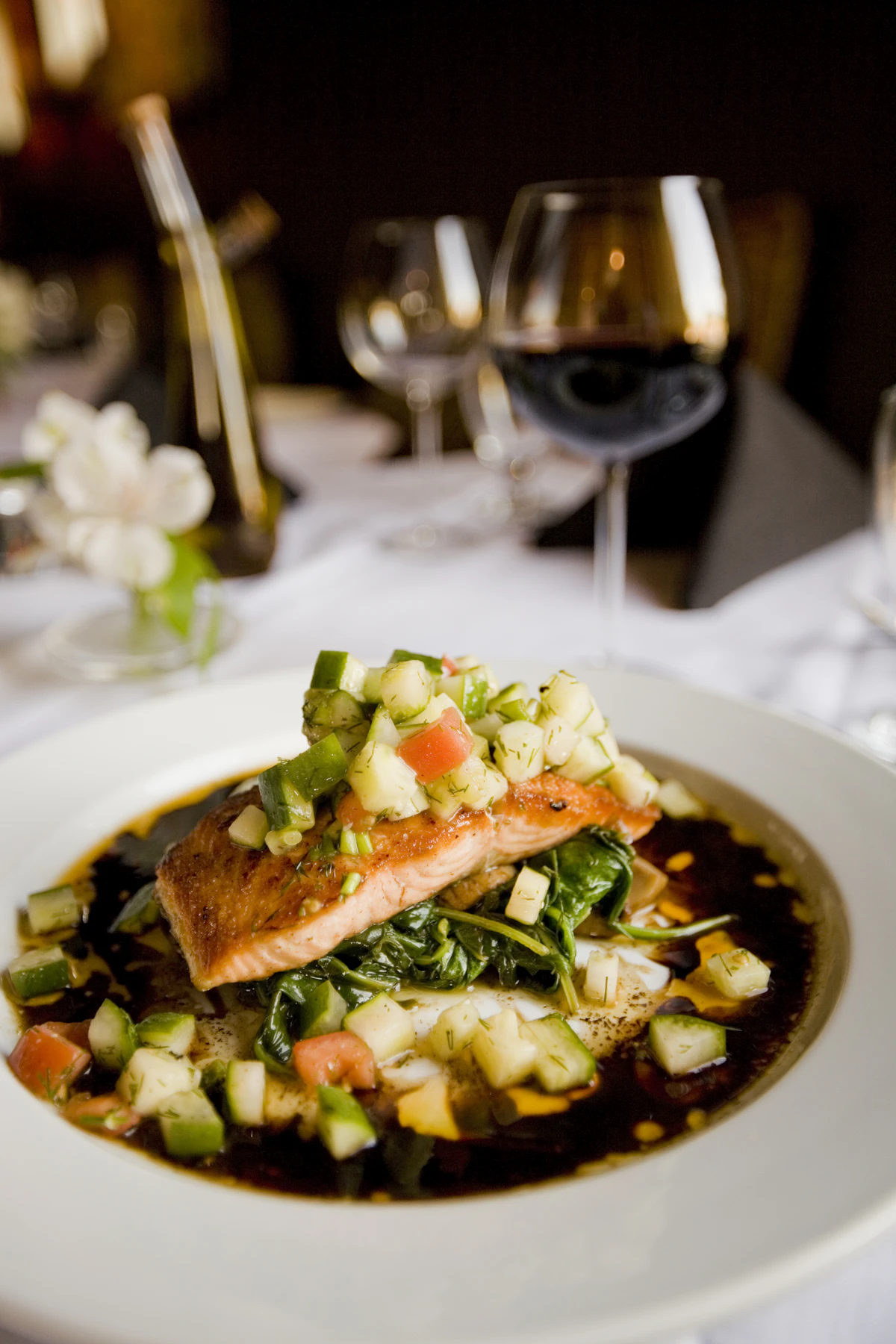
Mediterranean Lemon Herb Grilled Salmon with Homemade Tzatziki
Tender, flaky grilled wild salmon fillets seasoned with oregano, garlic, and lemon, served with a cool cucumber dill tzatziki.
 Healthy
Pan-Seared Wild Salmon with Garlic Dill Butter & Asparagus
Sustainably caught salmon fillets with crackling crispy skin, basted in brown butter, garlic, capers, and garden-fresh dill.
