Most people get this wrong and toss out the can. The right way to read ‘Best By’ or ‘Best Before’ dates.
In the world of packaged foods , “Best By” and “Best Before” dates are ubiquitous, yet often misunderstood. Contrary to popular belief, these dates do not signal when food becomes ...

editor
Published on September 12, 2026

In the world of packaged foods , “Best By” and “Best Before” dates are ubiquitous, yet often misunderstood. Contrary to popular belief, these dates do not signal when food becomes unsafe to eat, but rather when it is likely to be at its peak flavor and texture. Unfortunately, this confusion leads many people to discard perfectly good food, contributing to the growing problem of food waste. Learning how to properly interpret these labels—especially when it comes to canned goods—can help consumers make smarter, more sustainable choices.
Understanding the Purpose of ‘Best By’ Dates
‘Best By’ dates are set by manufacturers to indicate the period during which the food is expected to maintain its best flavor, color, and nutritional quality . These dates are based on factors like the type of food, packaging materials, and expected storage conditions. In most cases (with the exception of infant formula), these dates are not federally regulated, meaning they serve as guidance—not a safety deadline.
Common Misconceptions About Expiration Dates
see the continuation on the next page
One of the most widespread misconceptions is treating ‘Best By’ dates as hard expiration deadlines. While a product may lose some freshness or texture after this date, it’s usually still safe to consume if it shows no signs of spoilage. This is particularly true for shelf-stable items such as canned foods , which can often last years beyond their date when stored correctly.
‘Best By’ vs. ‘Use By’: What’s the Difference?
‘Best By’: Indicates when the product will be at its best quality.
‘Use By’: Often found on perishable items like dairy or deli meats , this date is more safety-oriented. It should be more closely followed, especially for high-risk items.
Understanding the difference helps avoid unnecessary waste while ensuring food safety.
How Long Do Common Canned Foods Last Past the ‘Best By’ Date?
see the continuation on the next page
Using Your Senses: How to Evaluate Food Safety
Even past the ‘Best By’ date, many canned goods remain safe to eat. Use this checklist:
Look: Check for bulging lids, rust, dents (especially on seams), or leakage.
Smell: Any sour, metallic, or rotten odors? Discard it.
Taste: If the can looks and smells fine, taste a small amount. If it tastes off, don’t eat it.
Storage Matters: How to Extend the Life of Your Food
The longevity of canned food depends heavily on how it’s stored:
Temperature: Store in a cool (50–70°F), dry place.
Humidity: Keep cans away from damp basements or warm garages.
Light: Avoid direct sunlight to prevent degradation of flavor and nutrients.
Proper storage can help many canned foods last far beyond their suggested dates.
The Environmental and Economic Cost of Food Waste
Throwing away food that’s still safe not only hits your wallet but also harms the environment. In the U.S., over 30% of all food is wasted annually, contributing to excess landfill use and greenhouse gas emissions. Misinterpreting date labels plays a major role in this.
Tips to Reduce Food Waste Through Better Label Literacy
see the continuation on the next page
Most people get this wrong and toss out the can. The right way to read ‘Best By’ or ‘Best Before’ dates.
By editor • Published in Healthy
Ingredients5 items
- 2 cups fresh leafy greens (baby spinach, kale, or wild arugula)
- 1/2 cup antioxidant-rich mixed berries
- 1 tbsp cold-pressed extra virgin olive oil or flaxseed oil
- 1/4 cup raw walnuts, almonds, or pumpkin seeds
- 1 squeeze fresh organic lemon juice
Step-by-Step Instructions
- 1
Hydrate and Cleanse
Begin with a glass of pure filtered water to activate metabolism and prepare the digestive tract.
- 2
Assemble Nutrient-Dense Whole Foods
Combine crisp greens, healthy fats, and vibrant antioxidants to create a balanced, nourishing plate.
- 3
Incorporate Daily Consistency
Practice this routine daily for optimal sustained energy, cellular vitality, and balanced well-being.
You Might Also Like
 Healthy
Velvety Roasted Butternut Squash Soup with Crispy Sage and Nutmeg
A silky, warming autumn soup made from caramelized roasted butternut squash, sweet coconut cream, warm nutmeg, and frizzled sage leaves.

 Healthy
Mediterranean Lemon Herb Grilled Salmon with Homemade Tzatziki
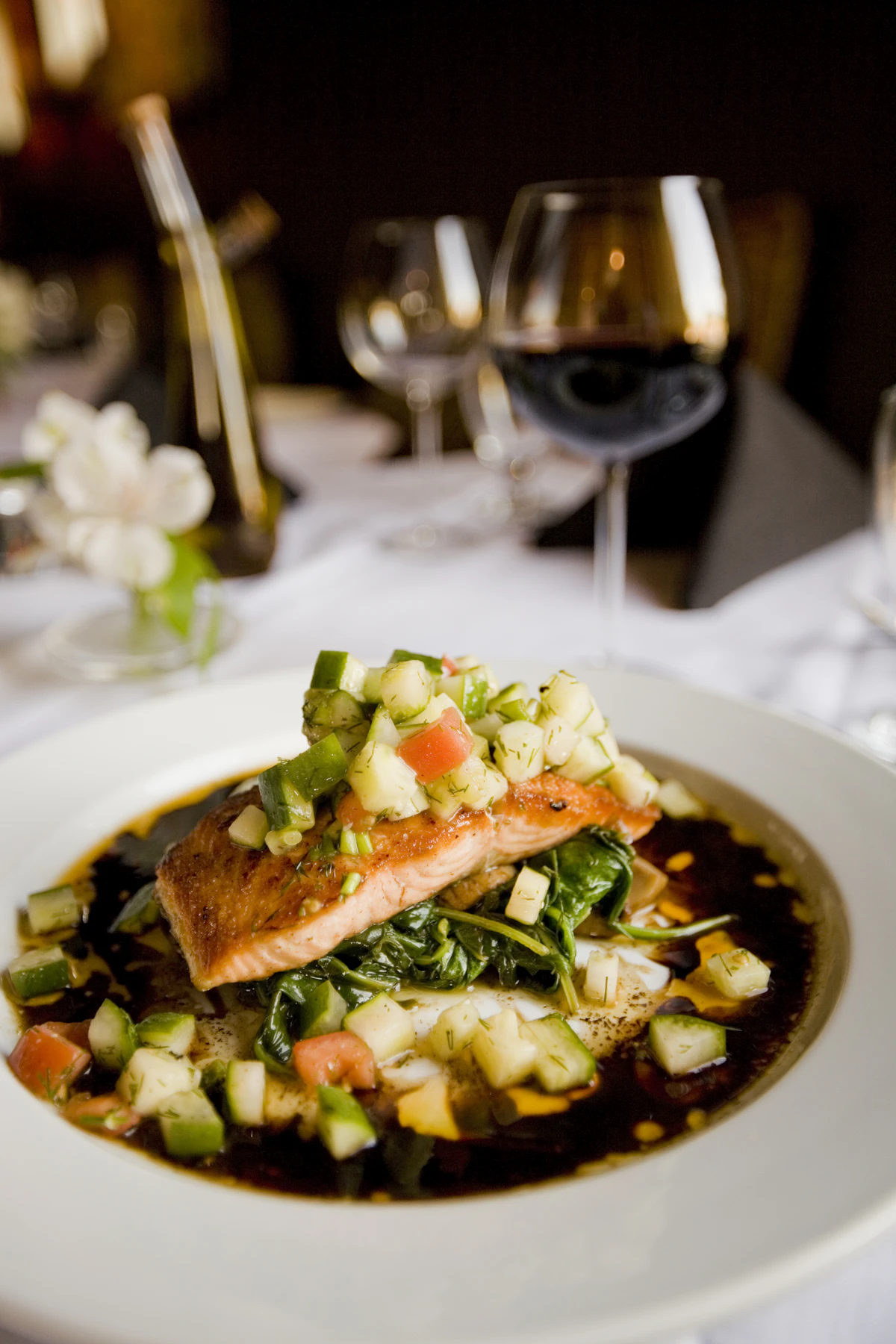
Tender, flaky grilled wild salmon fillets seasoned with oregano, garlic, and lemon, served with a cool cucumber dill tzatziki.
 Healthy
Pan-Seared Wild Salmon with Garlic Dill Butter & Asparagus
Sustainably caught salmon fillets with crackling crispy skin, basted in brown butter, garlic, capers, and garden-fresh dill.
