New method: colonoscopy will no longer be an invasive examination. (1/2)
Colonoscopy is a diagnostic examination that uses an endoscopic probe to explore the internal walls of the colon and determine the presence of lesions, ulcers, obstructions and, mo...

editor
Published on September 28, 2026

Colonoscopy is a diagnostic examination that uses an endoscopic probe to explore the internal walls of the colon and determine the presence of lesions, ulcers, obstructions and, most importantly, tumor masses.
This type of test is a fundamental preventative tool for everyone, although it is recommended as a screening test, particularly for people at risk. Thanks to a simple test like this, it is already possible to identify and, if necessary, remove very small tumors, thus preventing their irreversible degeneration.
Colonoscopy helps prevent the second most frequently diagnosed cancer in Italy: colorectal cancer. This examination is generally performed after a positive result on a fecal occult blood test, a test included in regional early detection programs for this serious disease.
Although this type of examination is performed with the utmost care and is becoming less uncomfortable, it is still considered potentially painful and embarrassing due to its undeniably invasive nature.
A colonoscope, a flexible tube equipped with a microcamera, is manually inserted into the anal canal. Medicine has continued to make significant progress in this area. Regarding colonoscopy, a major innovation has recently emerged: virtual colonoscopy. Let’s see what it involves. Virtual colonoscopy is a non-invasive radiological technique that allows visualization of the colon wall without an endoscope. It makes the examination much less invasive than a traditional colonoscopy, while providing much more accurate results.
See the next page on the next page
This technique is used when traditional procedures are impossible, for example, in cases of serious conditions preventing access. Virtual colonoscopy offers a more comprehensive view of the patient’s condition by evaluating the digestive tract upstream of any obstruction or subocclusive lesion.
To explain this technique in detail, it can be defined as an endoscopic procedure performed using 3D computer reconstructions after a simple scan. The computer creates
New method: colonoscopy will no longer be an invasive examination. (1/2)
By editor • Published in Healthy
Ingredients5 items
- 2 cups fresh leafy greens (baby spinach, kale, or wild arugula)
- 1/2 cup antioxidant-rich mixed berries
- 1 tbsp cold-pressed extra virgin olive oil or flaxseed oil
- 1/4 cup raw walnuts, almonds, or pumpkin seeds
- 1 squeeze fresh organic lemon juice
Step-by-Step Instructions
- 1
Hydrate and Cleanse
Begin with a glass of pure filtered water to activate metabolism and prepare the digestive tract.
- 2
Assemble Nutrient-Dense Whole Foods
Combine crisp greens, healthy fats, and vibrant antioxidants to create a balanced, nourishing plate.
- 3
Incorporate Daily Consistency
Practice this routine daily for optimal sustained energy, cellular vitality, and balanced well-being.
You Might Also Like
 Healthy
Velvety Roasted Butternut Squash Soup with Crispy Sage and Nutmeg
A silky, warming autumn soup made from caramelized roasted butternut squash, sweet coconut cream, warm nutmeg, and frizzled sage leaves.

 Healthy
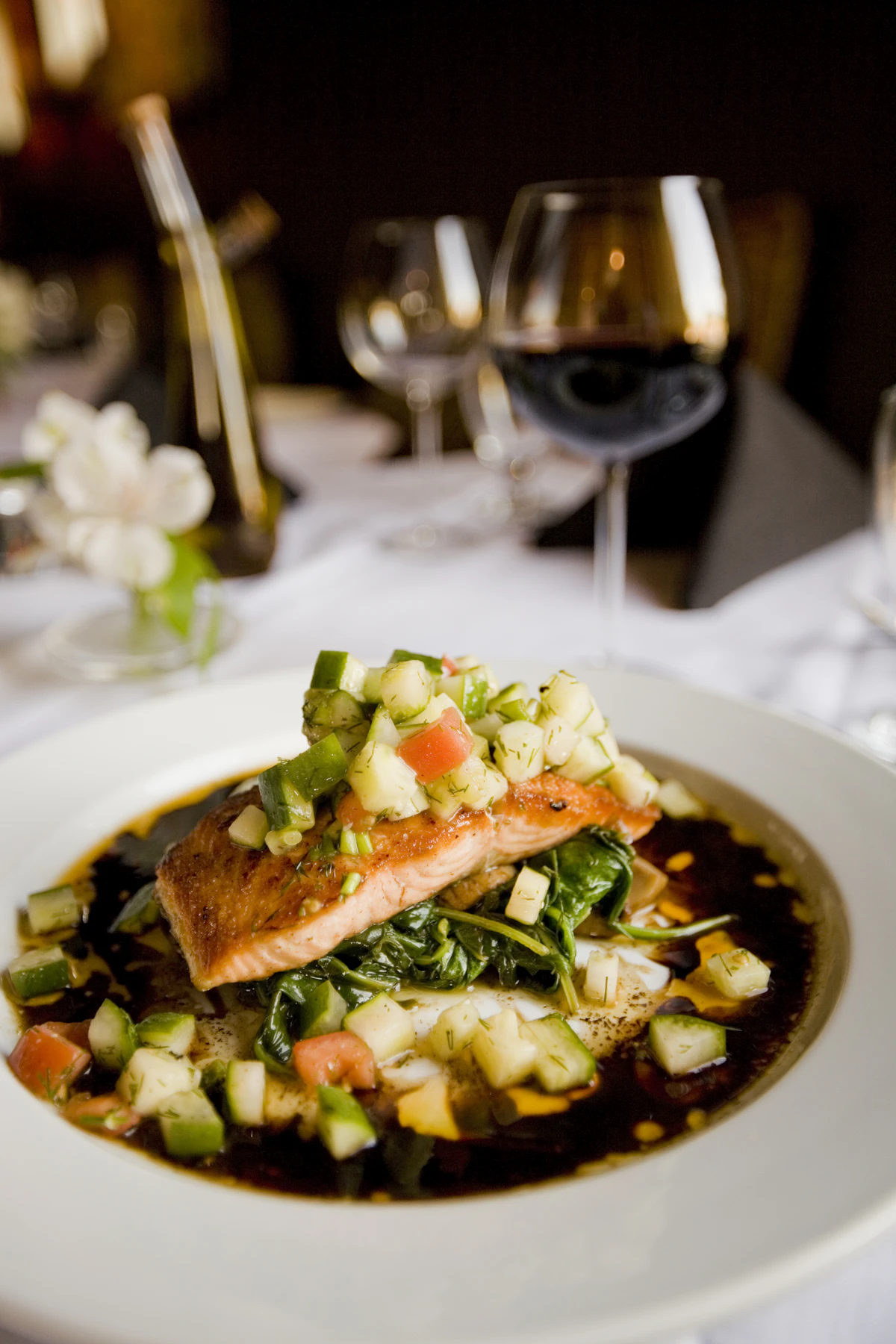
Mediterranean Lemon Herb Grilled Salmon with Homemade Tzatziki
Tender, flaky grilled wild salmon fillets seasoned with oregano, garlic, and lemon, served with a cool cucumber dill tzatziki.
 Healthy
Pan-Seared Wild Salmon with Garlic Dill Butter & Asparagus
Sustainably caught salmon fillets with crackling crispy skin, basted in brown butter, garlic, capers, and garden-fresh dill.
