What Is Normal Blood Pressure for Your Age? A Clear, Updated Guide
Blood Pressure Categories (Adults) According to the American Heart Association (AHA) and other major health bodies:...

editor
Published on September 7, 2026

Blood Pressure Categories (Adults) According to the American Heart Association (AHA) and other major health bodies:
Category Systolic (Top Number) Diastolic (Bottom Number) Normal < 120 mmHg and < 80 mmHg Elevated 120–129 mmHg and < 80 mmHg Hypertension Stage 1 130–139 mmHg or 80–89 mmHg Hypertension Stage 2 ≥ 140 mmHg or ≥ 90 mmHg Hypertensive Crisis > 180 mmHg and/or > 120 mmHg
Note: *Hypertension is now diagnosed at 130/80 mmHg or higher*, a change from older guidelines.
Blood Pressure in Children & Teens
In younger individuals, blood pressure is assessed using percentile charts based on age, height, and gender. The following are approximate averages:
Age Group Average Systolic Average Diastolic 1–3 years 80–110 mmHg 50–70 mmHg 4–6 years 85–115 mmHg 55–75 mmHg 7–10 years 90–120 mmHg 60–80 mmHg 11–13 years 95–125 mmHg 60–80 mmHg 14–18 years 100–135 mmHg 65–85 mmHg
A reading is considered high in children if it’s at or above the 95th percentile for their age, height, and sex.
Average Blood Pressure in Adults by Age & Gender
While 120/80 mmHg remains a healthy target for most adults, averages tend to rise with age due to vascular changes.
Age Group Women (Average) Men (Average) 18–39 years 110–120 / 70–80 mmHg 115–125 / 70–80 mmHg 40–59 years 120–130 / 75–85 mmHg 120–135 / 75–85 mmHg 60+ years 130–140 / 70–90 mmHg 130–140 / 70–90 mmHg
Important: These are averages , not targets. Consistently staying below 120/80 mmHg is ideal for long-term heart health.
Why Blood Pressure Rises with Age Arterial Stiffness: Blood vessels lose elasticity over time.
Plaque Buildup: Cholesterol deposits can narrow arteries.
Hormonal Changes: Especially post-menopause in women.
Lifestyle Factors: Diet, activity, stress, and weight.
What Is Normal Blood Pressure for Your Age? A Clear, Updated Guide
By editor • Published in Healthy
Ingredients5 items
- 2 cups fresh leafy greens (baby spinach, kale, or wild arugula)
- 1/2 cup antioxidant-rich mixed berries
- 1 tbsp cold-pressed extra virgin olive oil or flaxseed oil
- 1/4 cup raw walnuts, almonds, or pumpkin seeds
- 1 squeeze fresh organic lemon juice
Step-by-Step Instructions
- 1
Hydrate and Cleanse
Begin with a glass of pure filtered water to activate metabolism and prepare the digestive tract.
- 2
Assemble Nutrient-Dense Whole Foods
Combine crisp greens, healthy fats, and vibrant antioxidants to create a balanced, nourishing plate.
- 3
Incorporate Daily Consistency
Practice this routine daily for optimal sustained energy, cellular vitality, and balanced well-being.
You Might Also Like
 Healthy
Velvety Roasted Butternut Squash Soup with Crispy Sage and Nutmeg
A silky, warming autumn soup made from caramelized roasted butternut squash, sweet coconut cream, warm nutmeg, and frizzled sage leaves.

 Healthy
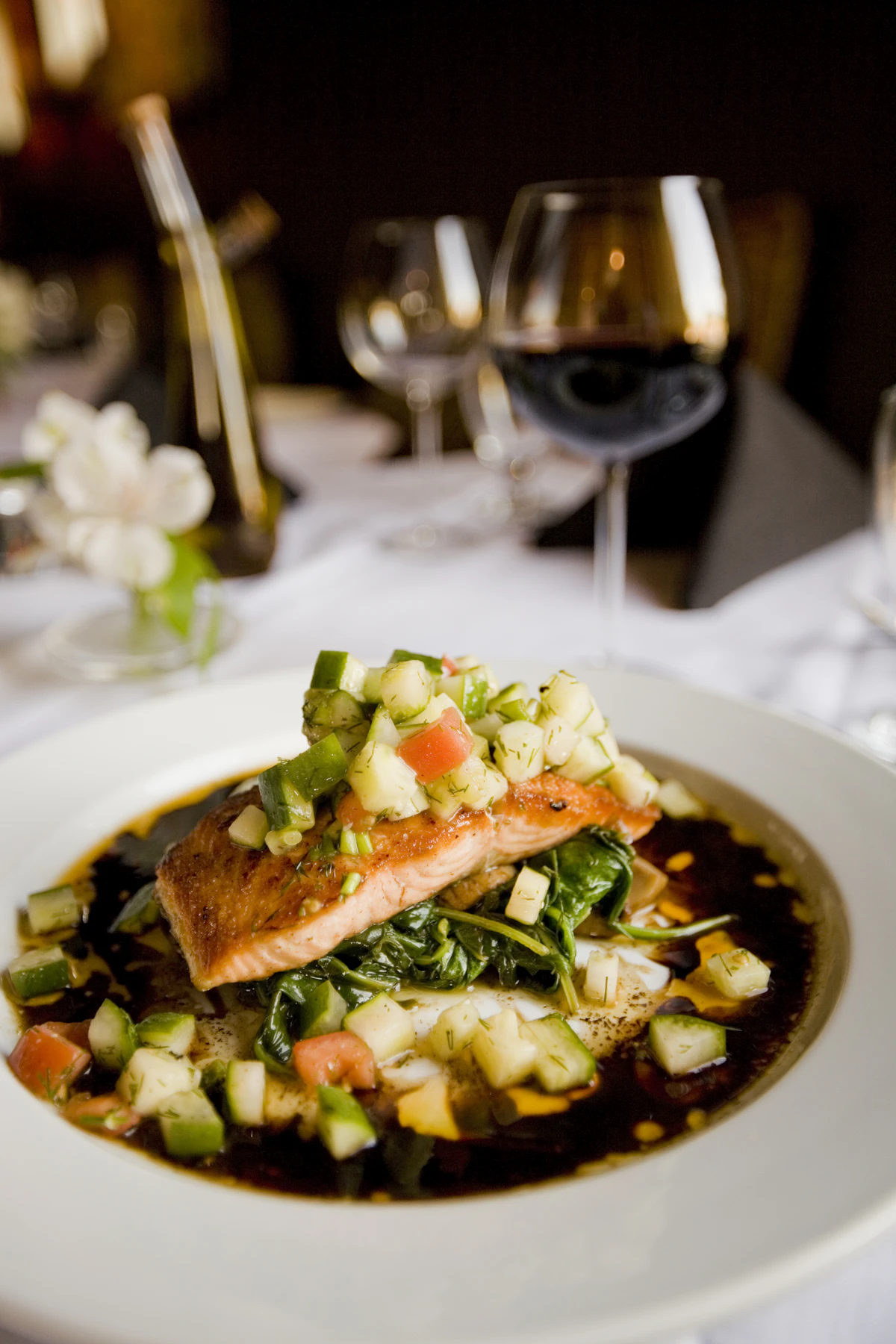
Mediterranean Lemon Herb Grilled Salmon with Homemade Tzatziki
Tender, flaky grilled wild salmon fillets seasoned with oregano, garlic, and lemon, served with a cool cucumber dill tzatziki.
 Healthy
Pan-Seared Wild Salmon with Garlic Dill Butter & Asparagus
Sustainably caught salmon fillets with crackling crispy skin, basted in brown butter, garlic, capers, and garden-fresh dill.
